Oct 23, 2026Buying Guides
Rubber Gym Flooring: How to Choose the Right Thickness, Material and Supplier
Thickness, material (SBR vs EPDM vs TPE) and supplier red flags — a practical guide for gym owners and contractors buying rubber flooring.
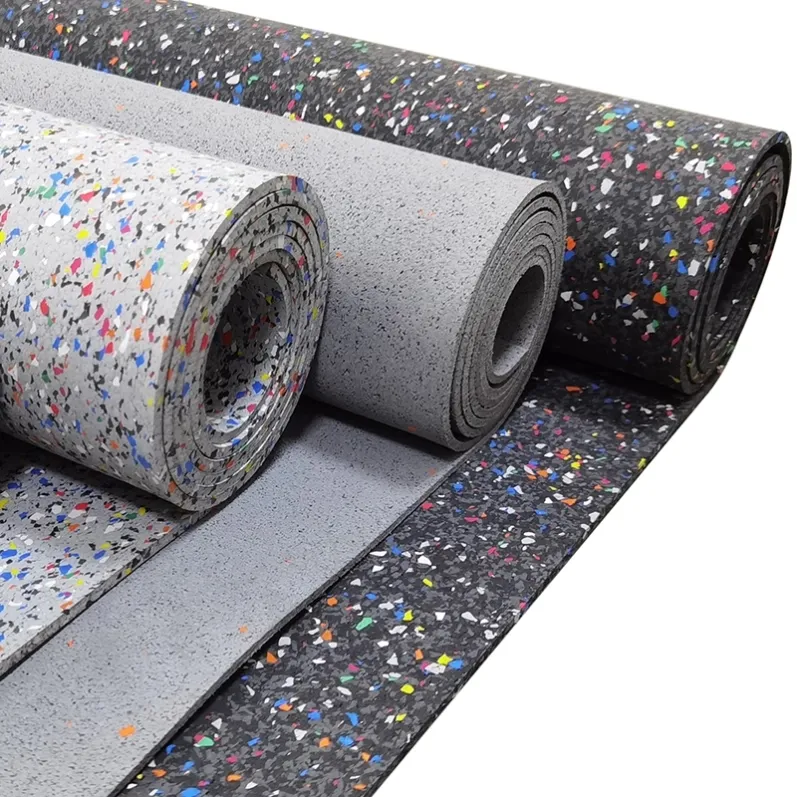
We get this question almost every day: "What thickness do I need for my gym?"
The honest answer? It depends on what happens on that floor. A yoga studio and a CrossFit box with heavy deadlifts have very different requirements — and choosing wrong means you'll be ripping it up in eighteen months.
So let's break it down.
Thickness: Match It to the Weight
Here's a rough guide based on what we've seen work across hundreds of gym projects:
6–10mm — Cardio zones, group fitness studios, yoga areas. Light equipment only.
10–15mm — General training floors. Dumbbells up to 30kg, treadmills, cable machines.
15–25mm — Free weight zones. Heavy dumbbells, kettlebells, plates dropped from waist height.
25–50mm — Olympic lifting areas. Bumper plates dropped from overhead. This is where you need real shock absorption.
Our Composited Interlocking Rubber Tile (Bottom Foam) at 500×500×15mm, for example, handles the 10–15mm range well. For heavy lifting platforms, we'd point you toward the Compression Molding Rubber Floor Mat at 1000×1000mm — it's built for exactly that kind of impact.
The mistake we see most often? Buyers go too thin to save money. A 6mm tile under a squat rack will compress, dent and eventually crack. You'll spend more replacing it in two years than you saved upfront.
Material: SBR vs EPDM vs TPE
Three main types, each with trade-offs:
SBR (styrene-butadiene rubber) is the workhorse. It's dense, durable and cost-effective. Most of our gym tile products use recycled SBR granules as the base layer. It's not pretty on its own — that's why we top it with a color EPDM layer or color dots. If you're flooring a functional training area on a budget, SBR-based tiles are your best bet.
EPDM (ethylene propylene diene monomer) is the color and performance layer. It's more expensive per kilogram, but it holds color better, handles UV exposure outdoors and has better elasticity. Our EPDM Interlocking Rubber Gym Flooring Mats at 1000×1000mm use a color EPDM top with a black SBR bottom — you get the look and the durability without paying full EPDM prices throughout.
TPE (thermoplastic elastomer) is the premium option. Our Elastic Interlocking Tiles in the TE series are TPE through and through. They're odor-free, recyclable, and interlock without adhesive. If you're flooring a basketball court or a multipurpose sports hall where smell matters (indoor environments, please), TPE is worth the extra cost.
One thing to watch: some suppliers mix "rubber" and "TPE" loosely. Ask specifically what the material composition is. If they can't tell you the SBR/EPDM/TPE split, that's a red flag.
What About Certification?
This is where it gets murky in the rubber flooring industry. You'll see CE marks, EN certifications and ISO numbers thrown around. Here's what actually matters:
EN 13501-1 for fire classification (Bfl-s1 or better for commercial gyms). EN 1177 for critical fall height if you're flooring a playground. VOC emissions — ask for the test report. Cheap rubber flooring can smell for months.
Our products are tested to meet CE and EN standards at our production facilities. We can provide test reports on request — if your supplier can't, ask why.
A Note on Suppliers
We've been in this business since 2015, supplying flooring to gyms, shooting ranges and schools in Saudi Arabia, the UK, the US and China. One thing we've learned: the cheapest quote usually means the thinnest top layer or the highest recycled content you can't see.
Ask for a sample. Ask for the material breakdown. Ask about the wear layer thickness. Any supplier worth working with will answer these questions without hesitation.
If you're not sure what specification fits your project, send us your floor plan and intended use. We'll tell you what works — and what doesn't.